
How home office teams can lead the field through AI and social media change.
If you lead training or marketing inside a direct selling company, you’re probably feeling two things at once right now: excitement and concern.
Excitement because AI is helping people create faster, easier and with more confidence than ever before. Concern because the way the field is using AI is starting to clash with what social platforms reward; what compliance requires; and what customers trust. In short, we’re becoming less human.
Which means the home office isn’t just training how to create content anymore—you’re protecting trust, compliance and the reputation of the channel.
The companies that win the next 12–18 months won’t be the ones who shout “use AI!” the loudest. They’ll be the ones who set smart guardrails that keep content human, compliant and platform friendly.
Here are the key social and AI trends and shifts I’m watching right now—and what they mean for home office teams as you seek practical ways to protect trust and grow reach.
Platforms Are Doubling Down on Original, Human Content
Instagram and Facebook are pushing originality and real engagement harder than ever. Instagram has openly said it wants to recommend original creators more and reduce visibility for repost-heavy or “aggregate” accounts.
At the same time, both Meta platforms continue leaning into AI-driven recommendations that prioritize meaningful interaction and watch time, not just content volume.
Action items for the home office:
- Update training to prioritize creation, not just reposting. Encourage field members to use templates and inspiration, but always add personal context, a story or their own voice.
- Provide a simple content cadence that’s sustainable with lifestyle that bakes in originality (e.g., two story posts, one value post, one lifestyle post weekly).
- Don’t just reward “pretty” content. Reward content that builds trust and conversation.
AI Content Is Being Labelled—and Low-Value AI Is Getting Demoted
Meta is expanding “Made with AI” and “AI info” labels and expects creators to disclose AI-generated media. Instagram executives have stressed the growing need for transparency because people are losing trust in what they see.
That’s unsurprising, with reports from the platforms estimating that over 40 percent of all content we see today may be AI-generated.
The danger isn’t AI itself. The danger is generic, mass-produced AI content that feels fake, repetitive and disconnected from a real human. Platforms are getting better at detecting and downranking this kind of content.
Action items for the home office:
- Teach the difference between AI as an assistant vs. a replacement.
- Assistant = ideas, structure, editing, clarity, captions, repurposing.
- Replacement = full posts with no personal story, no opinion and no voice.
- Provide a simple “AI-use policy” your field can understand:
- Use AI to support content—but ensure their story, opinion and experience are visible.
- If a post is fully AI-generated, disclose it.
- Never use AI to invent health claims, income claims or fake testimonials.
- When in doubt, ask compliance.
- Share real examples of “good AI” and “bad AI” posts to support clarity and consistency.
Reels and Short Video Still Matter—but Retention Matters More
Instagram and Facebook continue to favor short-form video. In 2026, the growth lever is not just creating Reels—it’s creating Reels people finish. That means optimizing for watch time and replays.
This is good news for direct sellers because it rewards relatable, simple, low-production content—not polished perfection.
Action items for the home office:
- Shift training from “make Reels” to “make Reels people finish.” Focus on:
- Three-second hooks
- One clear idea per Reel
- Story structure: problem → moment → takeaway → soft invite
I call this the “date, date, date—ask” strategy. In other words, build relationship and curiosity first, then invite.
- Provide a monthly Reel prompt bank (relational, curiosity-led and story-selling friendly).
- Encourage leaders to model imperfect but consistent video so the field feels safe to follow.
Ads and Compliance Are Colliding More Often
Meta’s ad system is stricter, more automated and more sensitive to health, income and “before/after” content. Many direct sellers are encouraged to run ads without understanding policy risks—which leads to frustration and wasted money.
What this means for home office teams:
- If you want field members running ads, equip them with:
- Pre-approved ad templates
- Compliant copy frameworks
- A simple “red flag” list (what not to say, show or imply)
- If you don’t want the field running ads, be clear and explain why.
- Consider a quarterly ad-policy update for leaders to keep advice relevant and reduce confusion.
Human Connection—Supported by Smart Tech Wins
AI will keep evolving. Algorithms will keep changing. But the companies that stay steady are the ones who anchor the field in what never changes:

- Customers buy from people they like, know and trust.
- Platforms reward content that feels real, useful and relational.
- AI is powerful when it helps humans show up more consistently—not when it replaces their voice.
If training keeps that heartbeat clear, the field will grow with confidence instead of overwhelm.
A simple way to frame your internal strategy:
- Human first.
- Work with the algorithm by focusing on what it rewards (watch time, saves, shares and conversation).
- Use AI to speed up clarity and execution—to enhance, not replace, the person.
- Build trust before you build volume.
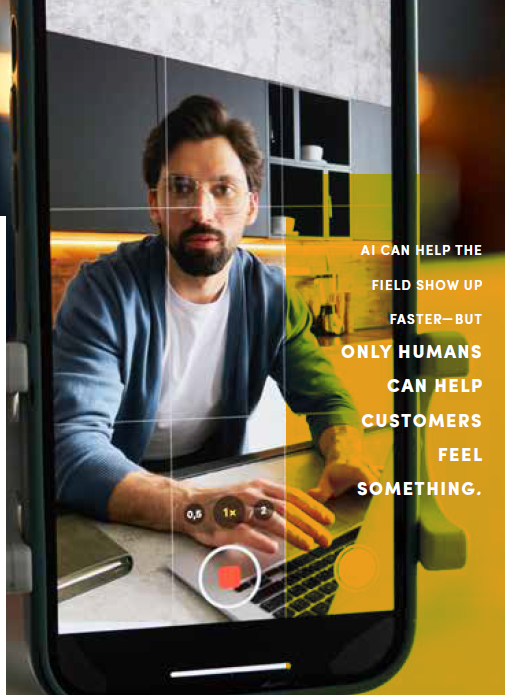
AI can help the field show up faster—but only humans can help customers feel something. That’s how we protect the reputation of the channel and help the field move the needle in 2026.

Sam Hind, Founder, Auxano Global | Speaker & Digital Growth Strategist, is a social media and digital marketing strategist who trains direct selling field and home office teams globally. She helps companies build human-first social media systems and responsible AI practices that protect trust, grow reach and create sustainable momentum.
The post The Human Advantage first appeared on Direct Selling News.