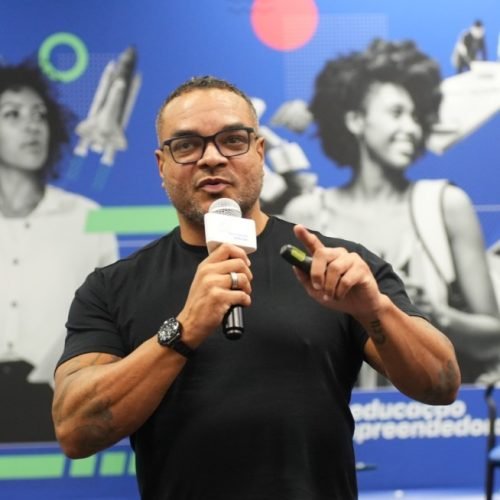
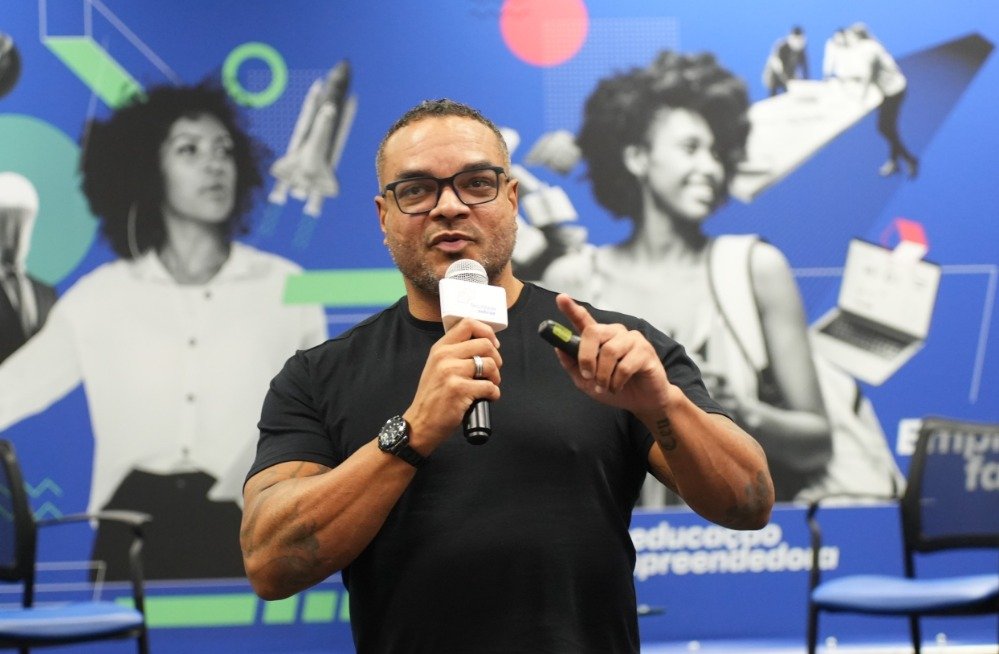

Mark Goldston, the Executive Chairman for Beachbody, now known as BODi, spoke on the Turnaround Podcast at the ICR Conference earlier this month. In his presentation, Goldston outlined the company’s progress and plans for its turnaround, and now says its asset base is stronger than it was even at its $3.2 billion SPAC peak. The company has now posted eight consecutive quarters of positive adjusted EBITDA, generating $13 million in free cash flow and returning to net income profitability. The company posted net-positive income for the first time Q3 2025, a year ahead of schedule.
“I really think we’ve recalibrated our expectations,” Goldston said. “I’ve been here two and a half years. If you go back and look at every earnings call, what we did, what we said we were going to do—we’ve done all of it. So, I think we’ve built credibility. It’s a long game; quick fixes don’t last.”
Goldston called Beachbody’s presence in the direct selling model as “unviable” and expensive. The company exited the channel in December 2024, and Goldston says the move has slowed its decline and eliminated a high-cost revenue engine. Since then, as part of its turnaround plan, the company has dramatically reduced overhead, lowered its breakeven point by 80% and installed discipline in its marketing spend, capital allocation and inventory.
“When I joined, it took $900 million of sales to break-even on a cash basis,” Goldston says. “We’ve got it down to $180 million. We’ve taken the break-even of the company down by $720 million.”
The company is shifting toward micro-cap and retail investors, with Goldston saying they now believe its previous approach was mismatched with its audience. P90X continues to be one of the most recognizable fitness brands and exceeds Beachbody itself, with approximately 62% consumer awareness. With a reintroduction at scale through retail, the company plans to leverage this brand equity in upcoming supplements and will leverage P90X and its household fitness brands, including Shakeology, to extend into energy drinks, supplements and smaller, retail-friendly formats.
To help achieve this, BODi hired the largest retail brokerage firm in the US and has plans to take its offerings multi-channel, through direct-to-consumer, online marketplaces, affiliate sales, brick-and-mortar retail and subscription-based digital sales.
Beachbody also commissioned an independent third-party valuation of its content library, which was estimated to exceed half a billion dollars and roughly 10,000 hours of fitness content. This valuation does not even include brand equity, customer data or future product pipeline options. Goldston believes this standalone content value, in itself, exceeds the company’s public market capitalization—meaning, there could be a disconnect between asset value and investor perception. Add to this, Beachbody has decades’ worth of direct-to-consumer transaction data and millions of known fitness and nutrition buyers, and the company will be able to implement low-cost reactivation campaigns with reduced dependence on costly paid customer acquisition.
GLP-1 medications will also play a role in BODi’s future success, as consumers become focused on trying to avoid the medication’s major side effect, which is a significant loss of lean muscle mass, a problem BODi specializes in preventing.
“We’ve financially turned the company around, Goldston said. “Our cash at $34 million exceeds our debt by $10 million. We’ve lowered our interest expense by 44%. So now we can focus on this innovation pipeline. So now that we’ve got everything really tight and we’ve built all this operating leverage, we can launch these new products. And frankly, the efficiency that we built into the company, if we grow the top line 25% to 30%, we can double our profit. That’s how efficient it’s become. So that’s a true turnaround.”
The post Beachbody Executive Chairman Shares Turnaround Plan first appeared on Direct Selling News.